

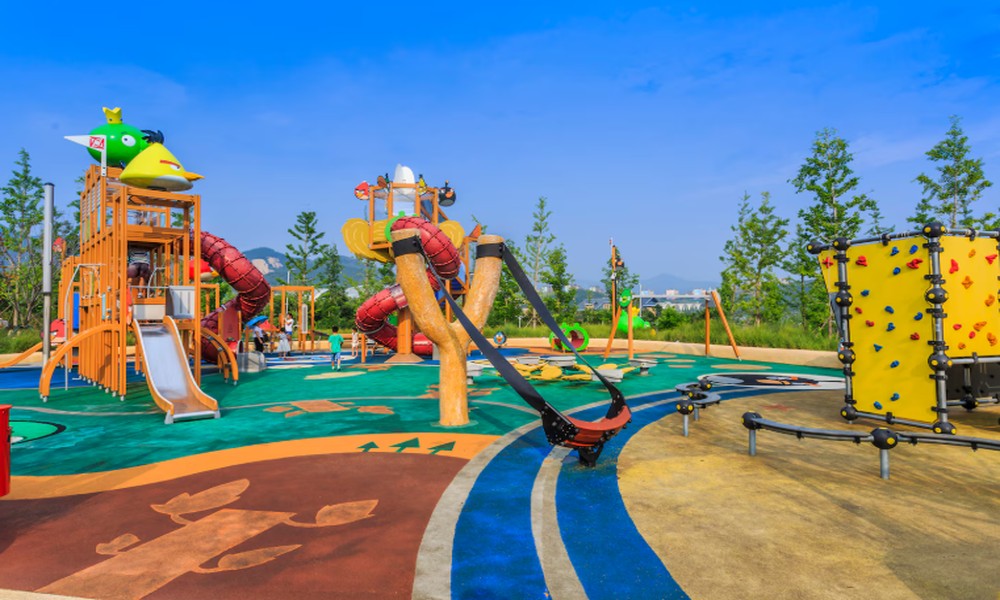
Wide eyes, muddy shoes, and a chorus of laughter, nothing captures the spirit of childhood like a playground. But behind every swing, slide, and climbing structure stands a foundation of carefully engineered safety standards designed to keep those moments joyful, not dangerous.
What Are Playground Safety Standards and Why Do They Matter?
Safety standards are the invisible guardians of every well-built playground. These are carefully developed rules and best practices that cover everything from the materials used to the way equipment is installed. Their core purpose is to reduce risks, like falls or equipment failures, and ensure that children of all abilities can play without unnecessary hazards. When these standards are ignored or outdated, the consequences can ripple outwards, affecting not just children, but also parents, caregivers, and entire communities.
Communities that prioritize modern safety standards see more than just fewer scrapes and bumps. They build trust, foster inclusion, and often see higher usage of playgrounds, making public spaces more vibrant and connected.
Which Organizations Set Playground Safety Standards?
Accrediting bodies set the bar for playground safety, ensuring consistency and reliability. In Canada, the Canadian Standards Association (CSA) leads the way. Their CAN/CSA-Z614 Standard is the benchmark for most new playgrounds. Internationally, bodies like ASTM International and the U.S. Consumer Product Safety Commission (CPSC) also publish influential guidelines.
While many principles overlap globally, Canadian standards often go further in areas such as climate durability and accessibility. For example, equipment designed for Toronto’s winters must withstand frost and snow, while CSA guidelines emphasize inclusivity and surfacing tailored for mobility aids, requirements that sometimes surpass those elsewhere.
What Are the Core Components of Modern Playground Safety?
Safety touches every part of a play space, starting with the design. Equipment must be free from sharp edges, entrapment spaces, and pinch points. Materials are chosen for durability and low toxicity; steel, high-density plastics, and powder-coated finishes are common.
Surface requirements are equally critical. Modern standards demand impact-absorbing layers beneath high-risk zones to cushion falls. This typically means engineered wood fiber, rubber tiles, or poured-in-place surfacing, all tested for appropriate “impact attenuation.”
Inclusivity is no longer optional. Today’s playgrounds must offer barrier-free access, with ramps, transfer stations, and equipment designed for children with physical or cognitive challenges. This approach ensures no one is sidelined from play.
How Are Playground Installations Evaluated for Safety?
Safety starts long before the first bolt is tightened. In the planning phase, experts conduct risk assessments to identify potential hazards based on the site, layout, and intended users. During installation, certified inspectors verify that each step meets precise measurements, anchoring methods, and manufacturer specifications.
Once construction is complete, a post-installation audit checks for loose hardware, proper surfacing depths, and accurate spacing between features. But it doesn’t end there. Regular maintenance inspections ensure ongoing compliance and quickly address wear-and-tear before problems arise.
What Are the Latest Innovations in Playground Safety?
Innovation in this space often begins close to home. The push for Canadian-made, climate-resilient equipment means structures must endure extreme weather and daily use. Shade structures are also on the rise, protecting children from sun exposure while extending playtime comfort.
Technology is quietly transforming safety as well. Some parks now use smart monitoring systems to track equipment usage, flag maintenance issues, and even monitor air quality.
Manufacturers like Inspire Play playground equipment are at the forefront of these innovations, offering modular, customizable solutions that blend safety, durability, and accessibility, all manufactured to meet or exceed Canadian safety standards.
How Can Communities Ensure Their Playgrounds Remain Safe Over Time?
Even the safest playground can become hazardous if ignored. Routine inspections, timely repairs, and proper surfacing upkeep are essential. Training supervisors and caretakers empowers them to spot and resolve issues quickly. Many municipalities also engage parents, teachers, and even children in safety awareness, creating ownership and vigilance at the grassroots level.
What Are Common Challenges in Meeting Playground Safety Standards?
Balancing maximum fun with rigorous safety can be tricky. Too many restrictions risk stifling creativity and adventure, while lax standards open the door to preventable injuries. Budget is another obstacle. Safer materials and accessible designs often cost more, but solutions exist, buying Canadian-made products reduces shipping and streamlines installation, while long-term warranties can offset initial investments.
Staying up-to-date is no small feat. Regulatory updates and evolving best practices demand that playground managers stay informed, adapt quickly, and commit to continuous improvement.
Where Can You Find Trusted Playground Equipment and Services?
The key is to partner with reputable manufacturers and installers who understand both the letter and the spirit of safety standards. Working with Canadian providers ensures that equipment is designed for local weather and regulatory demands, while fostering economic benefits at home.
Look for companies offering comprehensive warranties, stellar customer support, and end-to-end project management. That way, you’re not just building a playground, you’re building peace of mind and a safer community for years to come.
