

Key Takeaways
- Simple checks during aircon troubleshooting can reveal blocked airflow, wrong settings, or minor issues.
- Thermostat settings and filters deserve attention before assuming the unit needs repair.
- Blocked vents, debris near the condenser, or dust in filters can quietly slow cooling.
- Listening to sounds and watching cooling patterns helps guide technicians during diagnosis.
Introduction
A room that refuses to cool can feel like a kettle quietly simmering on the hob. Before jumping to repairs, a quick round of checks can uncover small issues that interrupt the cooling cycle during aircon troubleshooting. Air conditioners rely on airflow, pressure balance, and thermostat control moving in sync. When one of those pieces drifts out of place, the temperature stalls. A few quick checks can reveal where the hiccup begins before a technician steps in. Small observations around the unit can narrow down the cause and prevent unnecessary guesswork during servicing.
Check Basic Settings First
Review the Thermostat and Mode
Thermostat settings deserve a quick look before anything else. Fan mode may have replaced cooling mode, or the temperature may sit only a degree below the room reading. Minor tweaks can bring the chill back quickly. Even a slight adjustment to the thermostat setting can prompt the compressor to start cooling again and restore airflow through the vents. Technicians from an aircon company in Singapore usually begin with these controls in the early stages of aircon troubleshooting for that reason.
Inspect the Air Filter
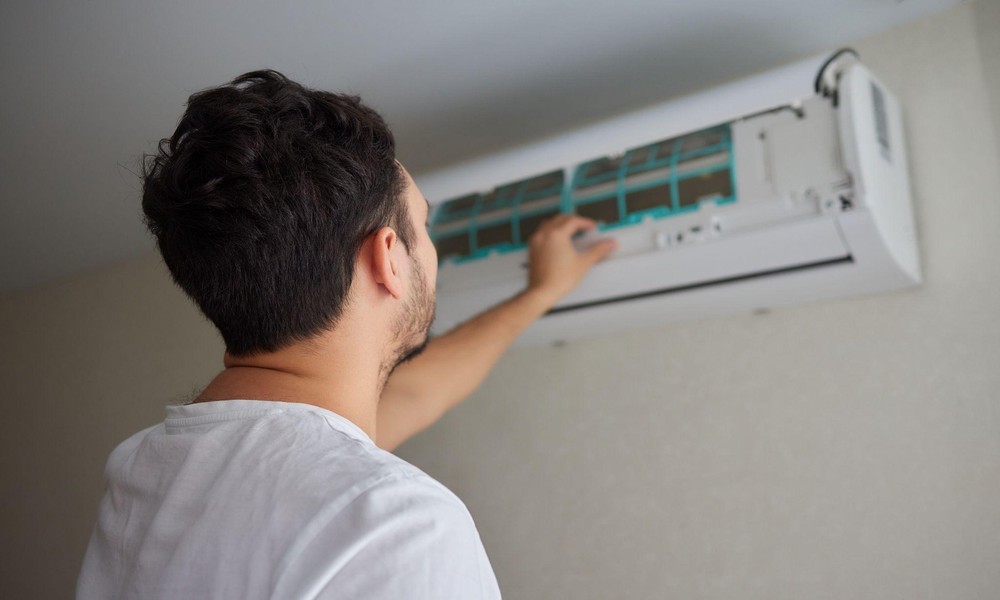
Filters collect dust quietly while the unit keeps running day after day. Air struggles to pass through once that layer thickens. Heat removal slows down and the room cools reluctantly. Cleaning or replacing the filter can reopen the airflow path and help the system regain its rhythm. Regular inspection of the filter also prevents dust from building up again and interrupting airflow in the future.
Examine Airflow Around the Unit
Look for Blocked Vents
Blocked vents can choke the flow of cool air. Furniture, curtains, or stacked boxes may sit directly in the path of circulating air. The system then pushes cool air into an obstacle instead of spreading it across the room. Clearing those areas gives the air a clear route to travel during aircon troubleshooting. Once the vents breathe freely again, cooled air can circulate around the room instead of gathering in one corner.
Check the Outdoor Condenser Area
Heat leaves the system through the outdoor condenser. Piles of leaves, dust, or stray debris can build around that unit and trap the warmth nearby. Heat then struggles to escape and cooling slows indoors. Maintenance visits from an aircon company in Singapore normally include a look at this area to keep airflow open. Technicians may remove debris, brush away dust, and check whether the surrounding space allows heat to escape properly.
Pay Attention to Cooling Patterns
Notice Longer Cooling Cycles
Long cooling cycles can hint that something in the system has slipped out of balance. The compressor keeps working while the room temperature creeps down at a slow pace. Situations like this can appear when refrigerant pressure dips or airflow meets resistance during aircon troubleshooting. Watching how the cooling cycle behaves can reveal helpful clues. A system that runs longer than expected may signal that heat removal is slowing somewhere along the cooling path.
Listen for Unusual Sounds
A gentle hum usually accompanies an operating unit. Sharp rattles, faint hisses, or bubbling sounds suggest that something deserves attention. Tiny refrigerant leaks can produce a quiet hiss near copper piping. When noises like these appear, technicians from an aircon company in Singapore combine pressure readings with visual checks to trace the source. Listening carefully around the piping and valves helps them locate small leaks or loose components.
Consider Refrigerant and System Pressure
Watch for Ice on the Coil
Ice along the evaporator coil signals a problem in the cooling cycle. Airflow drops once frost spreads across the metal surface. Reduced refrigerant pressure or restricted air movement usually sits behind the issue. Technicians examine the coil and nearby piping to identify the cause during aircon troubleshooting. Careful inspection of the coil surface and refrigerant lines helps determine whether airflow restriction or pressure imbalance sits behind the frost.
Notice Cooling That Returns After Restarting
Restarting the system may briefly bring the chill back. A short burst of cooling followed by warm air suggests that something in the cycle remains unstable. Refrigerant imbalance or blocked airflow can create this pattern. Observing that behaviour helps technicians narrow down the cause. Repeating patterns during restarts can reveal whether the issue relates to airflow, refrigerant pressure, or another component in the cooling cycle.
Conclusion
Cooling systems rely on several components working in step with each other. Filters, vents, and thermostat settings provide the first places to investigate when cooling slows. Airflow patterns, sound changes, and longer cycles can also guide technicians during diagnosis. Paying attention to these signals helps build a clearer picture of how the system behaves before repairs begin.
Contact Airple today to arrange a professional inspection and restore dependable cooling.
