

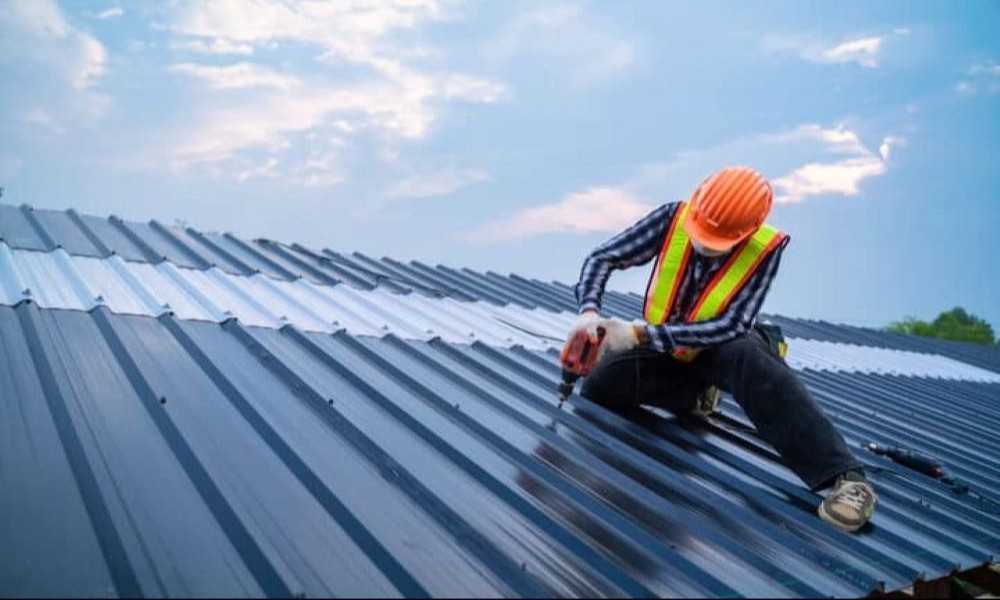
A roof has a tough job in dry heat, dust, wind, and storm season. The right service can help protect comfort, energy use, and home value. A careful choice starts with needs, not pressure. This guide breaks the process into simple steps.
1. Check Local Roof Experience First
Arizona homes face sun, heat, and seasonal storm damage that can wear down materials fast. Roofing Contractors in Arizona know how tile, foam, flat systems, and shingles perform in this climate. Local experience may help with better maintenance and material choice. It also aids in spotting problems that a quick glance may miss.
A contractor should explain what the roof needs in plain terms. Ask how often similar homes require repair, replacement, or care. Clear answers show practical knowledge, not sales talk. In Arizona, that local context matters.
2. Match Services to the Roof Type
Different roof types need different skills. Tile roofs, asphalt shingles, foam roofs, rolled systems, and flat roofs each have distinct repair methods. A company that handles the specific material may help reduce costly errors. This step is vital for older homes and mixed roof designs.
Service lists can tell a lot about how well a company fits the project. Look for repair, replacement, maintenance, and inspection options that match the roof material and age. A limited menu may still work if the need is simple, such as a small leak or missing shingle. A broad service range can aid larger projects that involve several roof sections, drainage issues, or long-term care.
3. Ask for a Clear Inspection Process
A good inspection should look at leaks, missing materials, flashing, drainage, and roof age. It should also review attic signs when access is safe. The visit may help improve decisions before a small defect grows. Arizona heat can make small cracks worse over time.
What the Estimate Should Include
An estimate should explain the scope, materials, cost, and project steps. It should also note disposal, cleanup, and possible extra repairs. Vague notes can lead to confusion later.
4. Review Materials and Energy Goals
Roof materials affect heat, durability, cost, and care. Light colors, coatings, foam systems, and proper ventilation may help improve indoor comfort. Energy-efficient options can make sense in Arizona because cooling demand can be high. The best choice depends on home design and budget.
Key items to compare include:
This short list keeps the decision focused. It also helps avoid choices based only on appearance. A roof must suit the climate and the structure. Practical material advice has real value.
5. Look at Communication and Safety
A roof project affects access, noise, parking, and daily plans around the home. Good communication helps set dates, work hours, contact points, and clear expectations before crews arrive. Crews should also follow safety rules around ladders, loose debris, roof edges, and nearby walkways. That care helps protect the home, the workers, and anyone who may pass near the work area.
Ask how the company handles changes once work starts, especially if the roof has older materials. Hidden damage can appear after old shingles, tiles, or coating layers come off. A fair process should include photos, clear notes, and a simple explanation before the added work begins. In Arizona, storm damage may need extra review because wind, heat, and rain can affect several roof areas at once.
Roofing Contractors in Arizona can help homeowners compare repairs, replacement, and maintenance with the local climate in mind. The best choice comes from clear inspections, honest estimates, safe crews, and suitable materials. A roof service should answer questions without pressure. For an Arizona home, careful selection may help improve comfort, durability, and cost control.
