

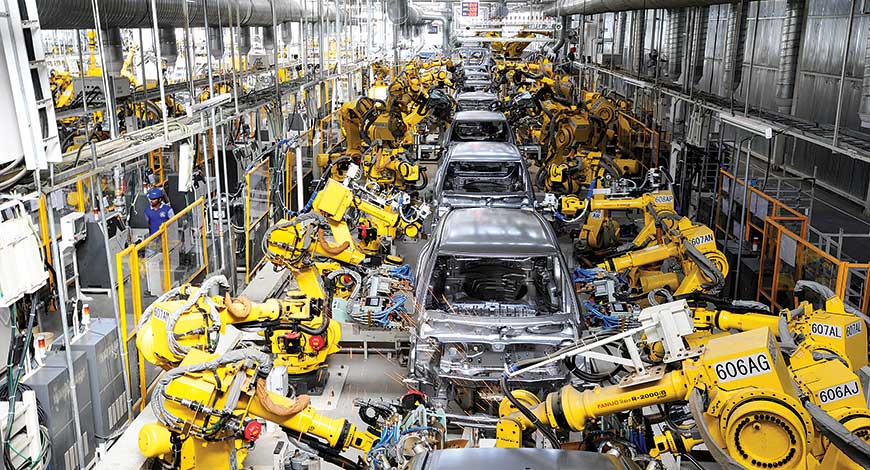
Vehicle assembly is a complex process that involves the integration of numerous components to create a functioning automobile. Among the most critical components is the engine, which powers the vehicle and drives its performance. Proper fastening of engine components during assembly is essential for ensuring reliability, safety, and optimal performance. In this blog post, we will explore the importance of engine component fastening in vehicle assembly and discuss the techniques used to achieve secure and reliable connections.
Importance of Engine Component Fastening
Engine component fastening plays a crucial role in vehicle assembly for several reasons:
- Reliability: Properly fastened engine components ensure the integrity and reliability of the overall engine system. Secure connections prevent components from coming loose or shifting during operation, reducing the risk of failure and potential damage to the vehicle.
- Safety: Engine components that are securely fastened minimize the likelihood of accidents or malfunctions resulting from loose parts. Safe and reliable engine operation is crucial for driver and passenger safety, as well as the safety of other road users.
- Performance: Fastening engine components correctly helps maintain optimal engine performance. Properly secured connections prevent air or fluid leaks, ensuring efficient combustion, cooling, lubrication, and overall engine efficiency.
- Noise and Vibration Reduction: Securely fastened engine components minimize noise and vibrations generated during operation, leading to a smoother and more comfortable driving experience.
- Maintenance and Repair: Well-fastened engine components facilitate easier maintenance and repair tasks. Accessing and servicing components becomes simpler when they are properly secured, saving time and effort during routine maintenance or repairs.
Techniques for Engine Component Fastening
Various techniques and methods are employed to achieve secure and reliable connections of engine components during vehicle assembly. Here are some commonly used techniques:
1. Bolts and Nuts
Bolts and nuts are fundamental components in most engine constructions. They maintain the integrity of assembled parts by holding them together under different load conditions. During assembly, bolt actions are carefully executed. The bolt is inserted into the mating parts through pre-drilled holes, and a corresponding nut is threaded onto the bolt’s end.
This bolt-nut combination is then tightened using a torque wrench to apply the necessary clamping force. This whole process is often governed by specific torque specifications to ensure proper fastening and prevent over-tightening that may lead to component damage or failure.
2. Threaded Fasteners
Threaded fasteners, such as screws and studs, are employed for specific applications in engine component fastening. They provide excellent resistance to vibration loosening and offer precise torque control. Thread-locking compounds or locking washers are sometimes used in conjunction with threaded fasteners to further enhance the security of the connection.
3. Torque-to-Yield (TTY) Bolts
TTY bolts are commonly used in critical engine components, such as cylinder heads and connecting rods. These bolts are designed to stretch and exert a specific amount of clamping force when torqued to their yield point. TTY bolts are typically used once and replaced during engine maintenance or repair to ensure consistent tightening and prevent loss of clamping force.
4. Adhesives
Adhesives play a significant role in securing certain engine components, especially those subjected to high heat or extreme vibration conditions. Heat-resistant adhesives are used to bond components, preventing movement or dislodgement during operation. Thread-locking adhesives, such as Loctite, are also employed to prevent the loosening of threaded connections due to vibration.
5. Snap Rings and Retaining Clips
Snap rings and retaining clips are used to secure rotating or sliding components, such as wrist pins or clutch plates. These small, circular metal rings or clips fit into grooves on the shafts or mounting points of the components, preventing them from moving out of position.
6. Welding
In some engine applications, welding is used to secure specific components permanently. Welding techniques, such as spot welding or seam welding, are employed to create strong, durable connections. This method is commonly used in engine block assembly or for attaching brackets and supports.
7. Adhesive Tapes and Sealants
Adhesive tapes and sealants are used to provide additional security and sealing in specific engine component applications. They are applied to gaskets, seals, or joint surfaces to prevent leaks, ensure proper fitment, and enhance the overall integrity of the connection.
Quality Control and Testing
Quality control and testing play a significant role in ensuring the effectiveness of engine component fastening. Manufacturers employ thorough quality control measures, including torque measurement, visual inspections, and non-destructive testing techniques, to verify the integrity of fastened connections. These measures help identify any potential issues and ensure that components are securely fastened according to specified standards and requirements.
Engine component fastening is a critical aspect of vehicle assembly, ensuring reliability, safety, and optimal performance. Properly fastened engine components contribute to the overall integrity of the vehicle, minimize the risk of accidents or malfunctions, improve engine efficiency, and facilitate maintenance and repairs. By employing appropriate techniques such as bolts and nuts, threaded fasteners, adhesives, and quality control measures, manufacturers can ensure secure and reliable connections for a smoother and safer driving experience.
