

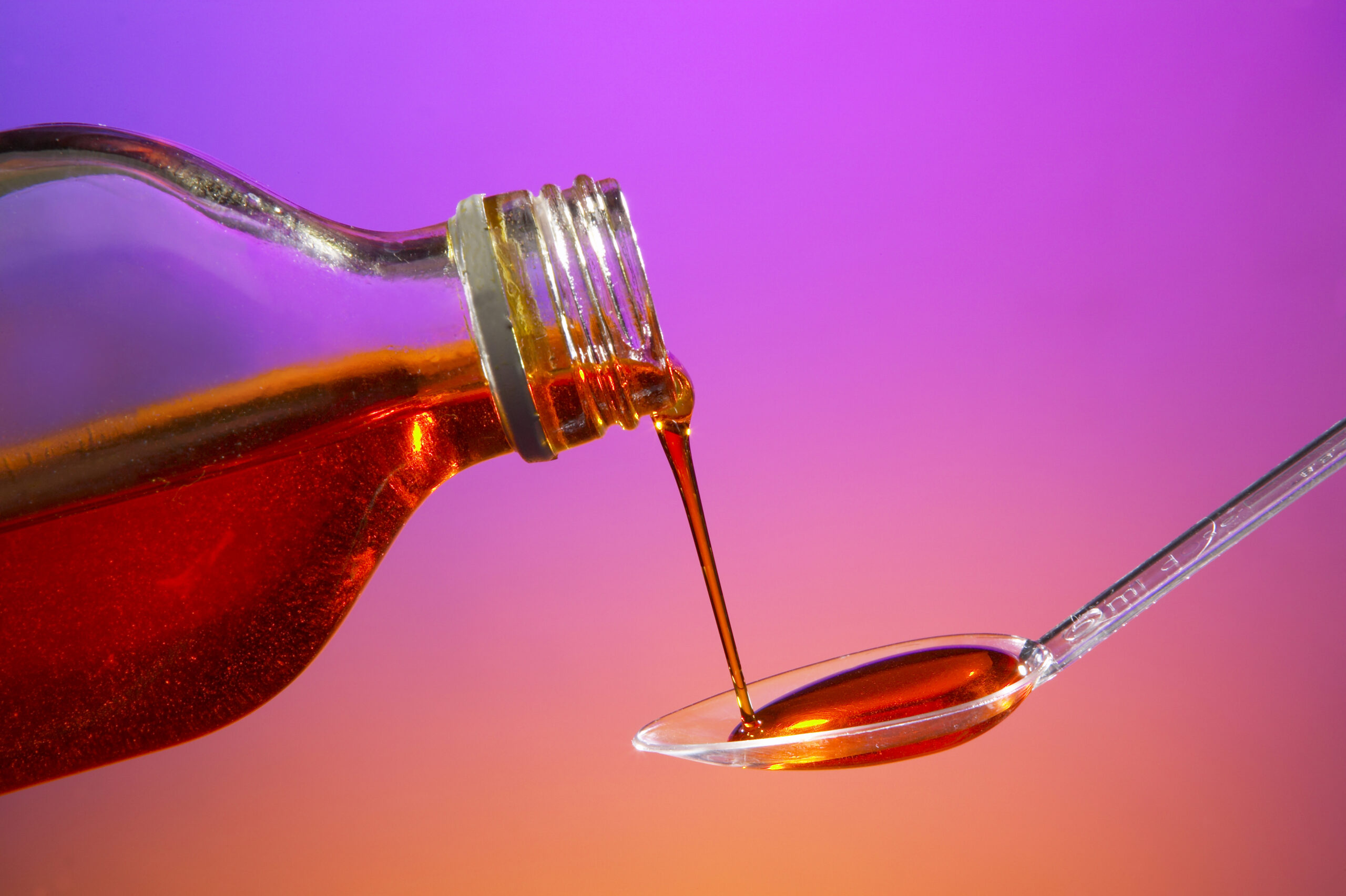
Dextromethorphan, or DXM, is a widely used cough suppressant found in many over-the-counter cold remedies. Though typically safe at therapeutic doses, misuse can escalate quickly, especially among teens or young adults. In 2021 alone, approximately 1.6 million people in the U.S. misused cough or cold medications containing DXM—a figure that underscores the growing concern around its recreational abuse.
The Unseen Dangers of DXM Misuse
At moderate doses, DXM relieves coughs by acting on brain receptors. But when consumed in high amounts, it shifts into a hallucinogenic dissociative—setting the stage for altered sensory perception, blurred cognition, and psychological disconnection. Users may experience euphoria or out-of-body sensations, but the risks rise steeply with dosage—from impaired motor function and paranoia to dangerous states like psychosis or loss of consciousness.
Health Hazards Escalate Fast
Exceeding safe levels of DXM can spark a cascade of severe health issues: rapid heart rate, elevated blood pressure, seizure, respiratory failure, and even coma. Combinations with other ingredients—like acetaminophen—can also magnify harm, leading to liver damage or central nervous system toxicity. Overdoses may manifest as heightened confusion, slowed breathing, or agitation—and can be fatal without immediate intervention.
From Habit to Dependence: Recognizing DXM Addiction
Though often underestimated, DXM misuse can evolve into addiction. This is marked by intense cravings, repeated use despite negative consequences, and neglect of personal responsibilities. While withdrawal symptoms aren’t officially defined in diagnostic manuals like the DSM-5, some individuals report insomnia, sweating, elevated heart rate, and nausea after stopping long-term use.
Turning the Tide: Treatment and Recovery Paths
There’s no medication approved specifically for treating DXM addiction. Instead, effective recovery typically relies on structured programs featuring behavioral therapies—such as Cognitive Behavioral Therapy (CBT) and motivational interviewing—coupled with community support and relapse prevention strategies.
Some individuals respond well to inpatient care, particularly when misusing multiple substances. Others thrive through outpatient treatment that balances therapy with everyday responsibilities. Across treatment models, the goal remains the same: to rebuild coping strategies, emotional resilience, and long-term sobriety.
Real Voices: Recovering from DXM Misuse
Personal stories from recovery communities show how transformative change is possible:
“I was two months clean… my last experience terrified me—I hallucinated thinking my mind was permanently damaged. That realization was a wake-up call.”
Another reflects:
“Yes. You can recover. You will feel better. And yes—you can do it.”
These accounts highlight how awareness, community, and inner resolve can reshape life’s trajectory
Accessible Solutions: Rehab Options in Dallas
You don’t have to travel far to find quality recovery support. For those dealing with DXM dependence or other substance use challenges, Dallas Drug Rehab centers offer full-spectrum treatment—from medically supervised detox and therapy to ongoing aftercare. Similarly, individuals navigating alcohol-related issues can access dedicated support through Dallas alcohol rehab programs. Both provide clinically informed, compassionate care tailored to individual journeys of recovery.
Final Thoughts: From Risk to Renewal
DXM misuse often hides in plain sight—packaged as ordinary cough syrup yet capable of profound harm when misused. Recognizing the risks, seeking structured support, and staying connected through treatment can help untangle the grip of dependency. Whether through inpatient care, outpatient counseling, or localized programs like Dallas Drug Rehab or Dallas alcohol rehab, recovery is not only possible—it’s a vital step toward reclaiming health and well-being.
