

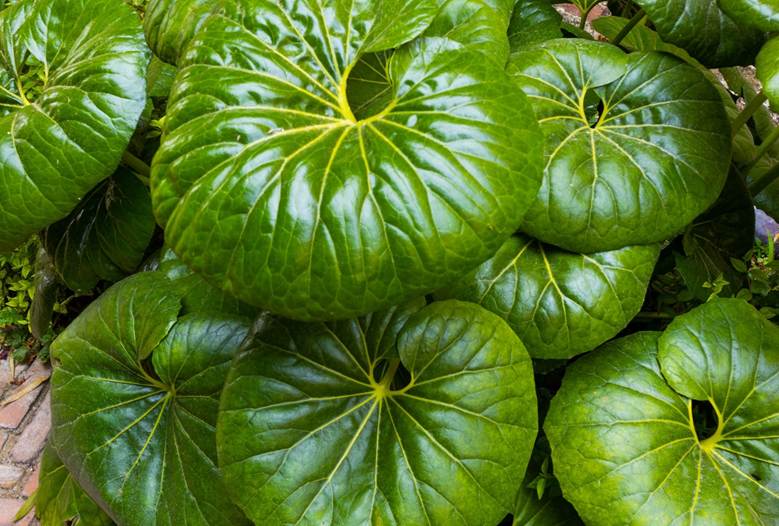
The Mimetes cucullatus, also known as the Tractor seat plant, is a unique architectural object that fits any garden well due to its striking design. The exotic and architectural appeal is provided by its cup-shaped leaves and distinctive shape. Nevertheless, to fully appreciate its beauty and to make sure it is healthy, the knowledge of its preferred environment is important. This is not a seed that will grow anywhere it goes; it will grow in certain environments that replicate the original South African fynbos habitat.
When dealing with distinct and impressive plants such as the Tractor Seat Plant, it is essential to consult the professionals. An online NZ nursery, The Plant Company, specializes in high-quality fruit and flowering trees, as well as a selective list of other extraordinary plants. Their online portal offers elaborate descriptions along with the care demands, and being a gardener in New Zealand makes it simpler to source and effectively cultivate these unique plants.
Embracing the Sun
Tractor Seat Plant are native to the mediterranean climate of the Cape area of South Africa where they spend most of the day in sun. Ideally, choose an area in your own garden getting a minimum of 6 to 8 hours of direct sunlight. South-facing slopes make good decisions in New Zealand, as their warmth and light remain constant. The lack of sunlight will cause leggy plant growth, less flowering, and a less compact, attractive shape.
Drainage
The Tractor Seat Plant is very vulnerable to root rot, especially when planted in waterlogged soil. Their delicate root system cannot endure prolonged wetness. So, choose a location with good soil drainage. If you garden soil is clayey plant them in raised beds or a slope or add grit or gravel to help in drainage. Avoid lowland planting because water accumulation on rainy days.
Wind Protection and Airflow
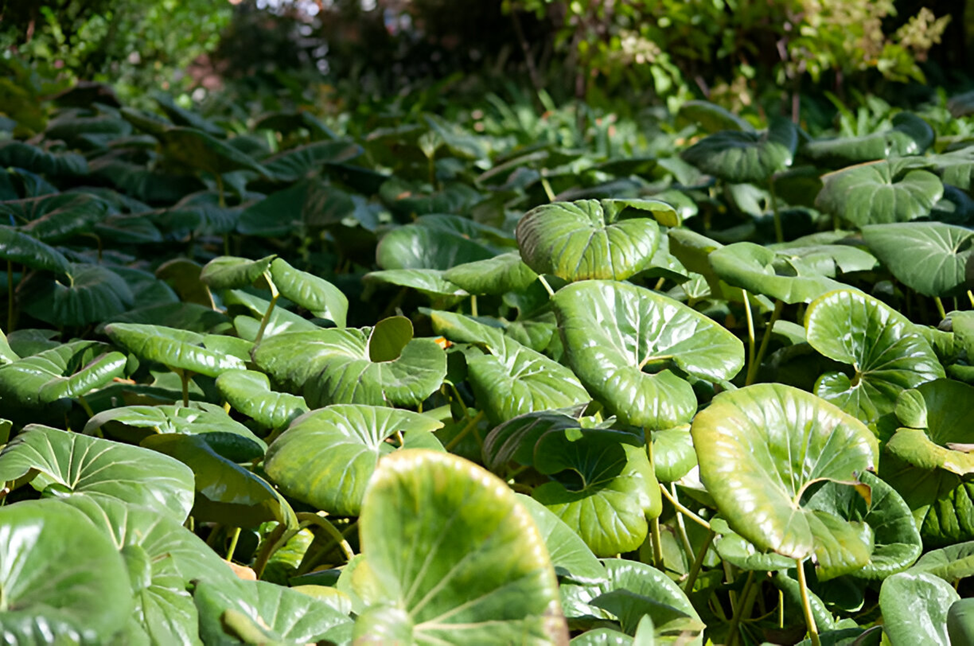
They like sun and good drainage, but do not do well in dry winds. However, little aeration is good to avoid fungal disease but consistent and intense wind flow can harm the leaves and strain the tree. Choose a location with little shelter against strong winds like close to a fence or structure or between strong shrubs. It is also necessary to have good airflow around the plant to ensure that the foliage stays dry and they do not get infected with fungi.
Soil Preferences
These plants have been adapted to soils with low nutrients and slightly acidic in nature. They do not need or enjoy overly rich compost or fertilizers. Actually, most members of the protea family are toxic to high levels of phosphorus. It is best to plant in a gravelly, well-draining, and slightly acidic mix. Relaxing good well-draining soil with a little bit of compost and coarse grit is often adequate. Do not apply lime or alkaline fertilizers as these will kill the plant.
With proper location, good drainage and plenty of sunshine you can produce a healthy and spectacular Tractor Seat Plant that will become a conversation starter for years.
