

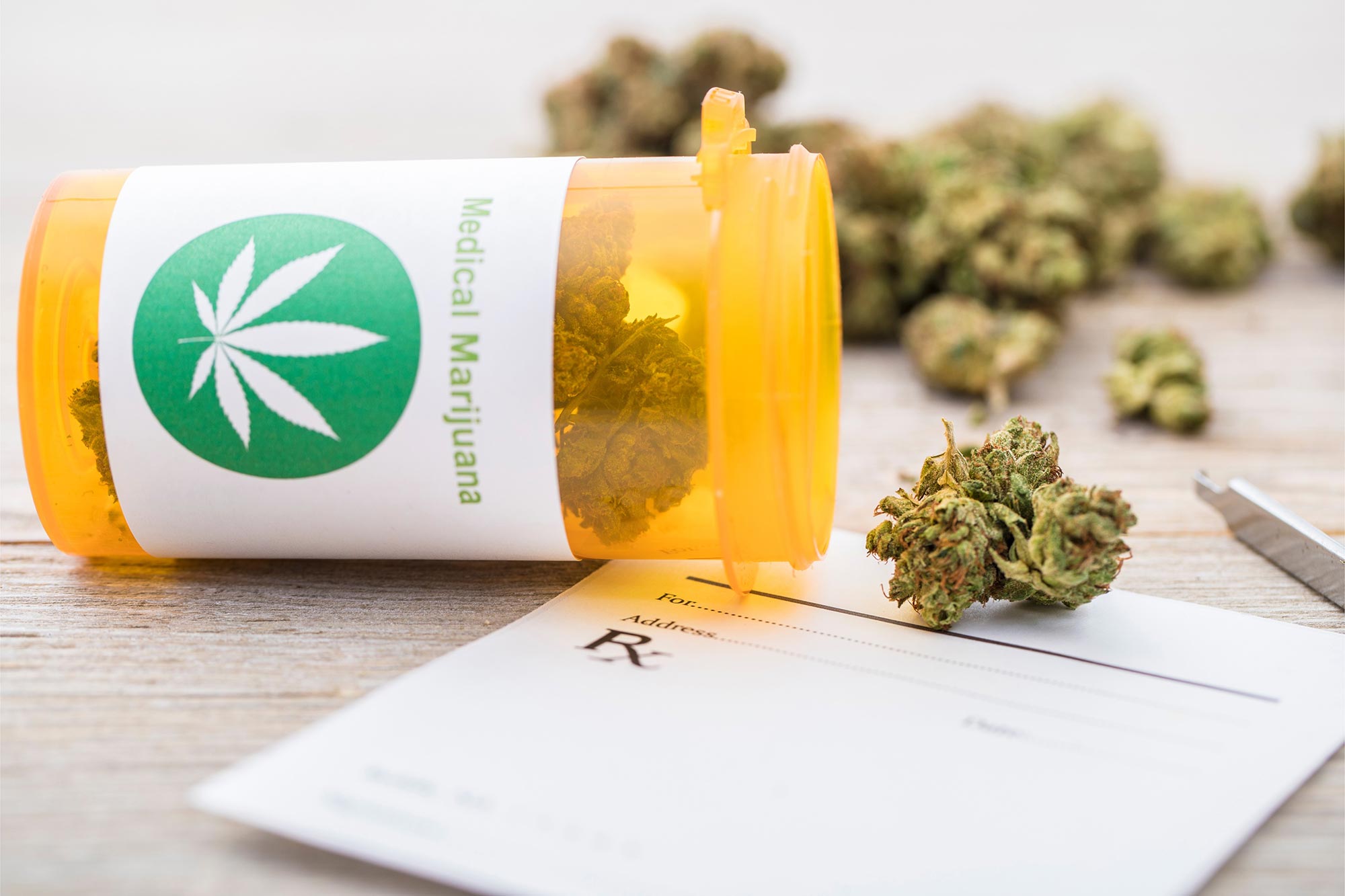
Cannabis use is widespread and increasingly normalized, but for some individuals, what starts as occasional or recreational use can evolve into a pattern of dependence that disrupts everyday life. When “just once in a while” turns into daily use — and when the occasional high becomes a habitual escape — marijuana can stop being a choice and become a chain. For many in such situations, a structured rehabilitation journey can offer a chance for recovery and renewal. For those looking for help, recovery resources in College Station style support can make all the difference.
When Cannabis Crosses the Line
Many users believe cannabis isn’t addictive because it lacks the dramatic physical addiction associated with stronger drugs. However, while marijuana may not always create the same physiological dependence, it can lead to a powerful psychological dependency.
For habitual users, the brain’s reward system begins to adjust: natural pleasures — achievements, relationships, simple joys — may lose their appeal, and cannabis becomes the primary source of relief or reward. Over time, tolerance builds, meaning higher doses or more frequent use are needed to achieve the same effect.
Stopping use can lead to withdrawal-like symptoms. Although rarely life-threatening, these can be emotionally and mentally taxing: irritability, anxiety, restlessness, disrupted sleep, mood swings, lowered appetite, depression, or fatigue may emerge within the first days or weeks of abstinence.
Because of these challenges — and because use often intertwines with stress, anxiety, emotional pain, or life difficulties — quitting alone can feel overwhelming. It’s not uncommon for people to attempt quitting several times, only to return to cannabis when cravings or emotional struggles resurface.
Why Structured Treatment Can Help
Recognizing that dependence is not just about the substance, but also about underlying emotional, behavioral, and situational factors, effective recovery often requires more than willpower. A comprehensive treatment approach — such as those offered via services like recovery resources in College Station — can provide a supportive, structured environment for healing.
Detoxification, if needed, allows the body and brain to begin recalibrating as THC and its effects leave the system. For many, the initial days or weeks are the hardest — but under professional care, withdrawal symptoms can be managed more safely and with less distress.
More importantly, therapy plays a central role in long‑term recovery. Behavioral therapies — especially cognitive‑behavioral therapy (CBT) — help individuals recognize and change the thought and behavior patterns that contributed to dependence. These therapies foster healthier coping strategies for stress, anxiety, or triggers that previously might have driven drug use.
Support networks — whether peer groups based on a 12-step model like those provided by groups inspired by mutual-aid philosophies, or newer models focused on self‑empowerment — also offer community, accountability, and shared experiences. For many, being part of a group where others understand the struggle reduces isolation and strengthens resolve.
Finally, recovery isn’t just about stopping use — it’s about rebuilding life. Therapy, aftercare planning, development of coping and life skills, stress‑management techniques, and possibly alternative activities (work, hobbies, social engagement, mental‑health support) all play a part. A well‑structured rehab journey provides a foundation for this holistic transformation rather than just short-term abstinence.
Hope Through Commitment: What Recovery Offers
Choosing to acknowledge dependence and seek help is not easy — many people struggle with denial, societal judgment, or the fear that cannabis is “not serious enough” to merit treatment. Yet for those whose lives have started to feel controlled by the drug — impacted in work, relationships, motivation, or mental health — recovery can offer profound change.
With careful support, many people emerge from treatment with clearer thinking, improved emotional stability, better motivation, restored relationships, and a renewed sense of purpose. What was once a habit becomes a former chapter — and with continuous aftercare, community support, and coping tools, long‑term recovery becomes achievable.
