

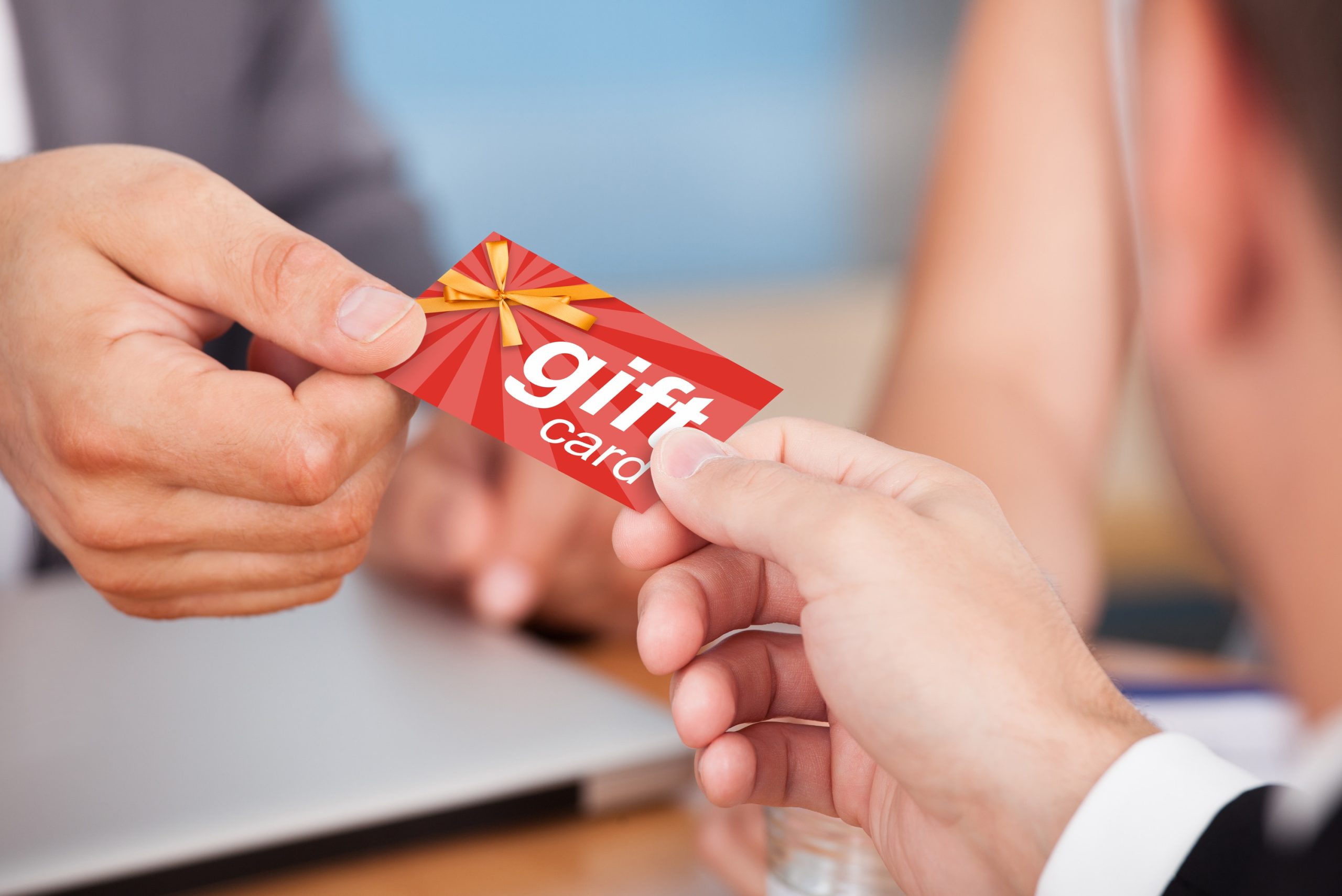
Gift cards remain a popular choice for presents across various occasions, but their value can change depending on when you buy, give, or use them. The timing of gift cards is crucial to their success. Making strategic decisions about when to purchase, present, and redeem these cards can save money, avoid expiration issues, and ensure the recipient gets the most value from your thoughtful gift.
Seasonal buying patterns
Shoppers can use predictable seasonal patterns to their advantage. December traditionally sees the highest volume of gift card purchases, with over 70% of consumers buying at least one during the holiday season. This high demand sometimes leads retailers to offer bonus incentives during this period. Conversely, January and February typically see reduced gift card promotions as retailers focus on moving merchandise rather than selling stored value cards.
Summer months often bring graduation-related gift card promotions, while back-to-school season in August and September may feature special deals for college students. Tracking these seasonal trends allows buyers to capitalize on the best promotional offers throughout the year rather than paying full price during non-promotional periods.
Strategic usage windows
Gift card recipients should plan redemption timing strategically. Major retailers offer predictable sales cycles throughout the year, making certain months better for specific purchases. January clearances work well for winter clothing and holiday items, while May typically offers deals on outdoor equipment.
Regularly checking giftcardmall/mygift check balance ensures you know exactly what funds remain available for upcoming shopping opportunities. Cardholders who track balances consistently report higher satisfaction with gift cards than those who forget what value remains on them.
Expiration considerations and timing
Federal regulations prohibit gift cards from expiring five years from the issuance date, but other timing factors can affect their value. Many cards implement inactivity fees after 12 consecutive months without usage. These fees typically range from $2-5 monthly and can quickly diminish card value. Some states have instituted stronger consumer protections:
- California – Prohibits all expiration dates on retail gift cards
- Maine – Prevents inactivity fees during the first 24 months
- Minnesota – Requires merchants to redeem cards for cash if the balance falls below $5
Always check the specific terms of each card upon receipt and plan usage accordingly to avoid value reduction due to timing-related penalties.
Balancing secondary market timing
The secondary gift card market fluctuates based on retail seasons. Cards typically sell for higher percentages of face value during high shopping seasons (November-December) and command lower resale values during slow retail periods. Selling unwanted gift cards in October or November generally yields 80-90% of face value, while trading in February might return only 70-75%.
Creating a personal gift card calendar represents the optimal approach to timing. Note expected gift card receiving occasions (birthdays, holidays) alongside planned major purchases and retailer sale events. This combined view allows for strategic planning – holding cards until sales periods, buying during bonus promotions, and using cards before inactivity fees apply.
Gift card timing strategies may seem complex, but even essential attention to seasonal patterns can significantly increase the practical value received from these popular presents. By considering when to buy, give, and use gift cards, givers and recipients can extract maximum value from these flexible financial instruments.
