

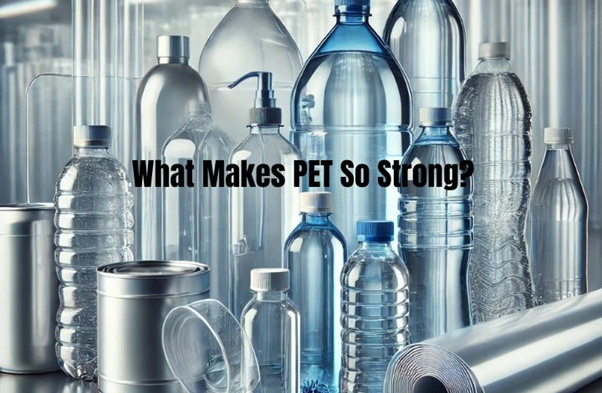
Polyethylene Terephthalate, commonly known as PET, is a versatile plastic that’s found everywhere, from water bottles to packaging materials. But what makes PET so popular, and why is it the material of choice for so many industries? It all comes down to its unique combination of properties, which include strength, flexibility, and excellent chemical resistance. In this article, we’ll break down these characteristics to help you better understand why PET is so widely used and trusted.
What Makes PET So Strong?
High Tensile Strength for Durability
One of PET’s standout features is its high tensile strength, meaning it can withstand significant force without breaking. This makes it perfect for applications where durability is key, such as in bottles, containers, and even certain automotive parts. Despite being lightweight, PET provides exceptional durability, allowing products to maintain their integrity under stress.
For industries where materials are often subject to pressure or impact, PET offers a reliable solution. Its durability doesn’t just ensure long-lasting performance but also reduces the risk of breakage during transportation, making it an efficient and cost-effective material for large-scale production.
Lightweight Yet Tough
Though incredibly strong, PET is also surprisingly lightweight. This combination of strength and lightness is why it’s so commonly used in packaging. For manufacturers, using PET means less weight, which reduces shipping costs and makes handling easier—without sacrificing the material’s durability. Think of your typical PET water bottle: sturdy enough to hold liquid yet light enough to carry around effortlessly.
Flexibility and Versatility
Flexible Yet Structurally Stable
Another key property of PET is its flexibility, allowing it to be formed into various shapes without losing its strength. Whether it’s blown into a bottle or extruded into thin films, PET can adapt to different manufacturing needs. This flexibility means it can be used for a wide range of products, from packaging and textiles to automotive components and even 3D printing.
But don’t be fooled by its flexibility—PET is also known for its rigidity, especially when it’s moulded into solid shapes like bottles. This structural stability ensures that products maintain their shape, making it ideal for applications where form retention is essential.
Temperature Resilience
PET is also prized for its ability to withstand temperature extremes, with a broad range of use from -60°C to 130°C. This makes it suitable for both cold storage and high-temperature environments. For example, PET’s high heat resistance allows it to be safely used in applications like microwaveable containers. Its resilience to temperature changes makes it a reliable material for both everyday and industrial use.
Exceptional Chemical Resistance
Protection from Moisture and Chemicals
One of the reasons PET is so widely used in food and beverage packaging is its excellent resistance to chemicals and moisture. It acts as a barrier to both oxygen and carbon dioxide, making it ideal for preserving the freshness of products. PET’s ability to resist moisture also means that it’s great for products that need to stay dry or sealed for extended periods.
PET is highly resistant to alcohols, oils, and diluted acids, which is why it’s commonly found in packaging for a wide variety of products. Its resistance to these substances means that it won’t degrade or become compromised when exposed to them, ensuring the safety and integrity of whatever it’s containing.
Recyclable and Safe for Food Contact
Another important property of PET is that it’s safe for direct contact with food and beverages. Regulatory bodies like the FDA and RoHS have approved PET as food-safe, which is why it’s used for everything from water bottles to food packaging. On top of that, PET is fully recyclable, making it an environmentally responsible choice.
PET’s recyclability is a significant advantage, as it can be reused to create new products without losing its original properties. This not only reduces the environmental impact of producing virgin materials but also extends the lifespan of the plastic, contributing to a more sustainable cycle of use.
Understanding the properties of PET plastics—strength, flexibility, and chemical resistance—helps explain why this material has become so indispensable in a wide range of industries. Its combination of durability and lightweight, along with its versatility and resistance to chemicals, makes PET the perfect choice for applications from everyday packaging to high-tech industrial uses.
If you’re looking for an engineering plastic that can withstand pressure, handle extreme temperatures, or resist chemical degradation, PET is a top contender.
